
How Long Does Interior Design Take? Factors Influencing Project Timelines
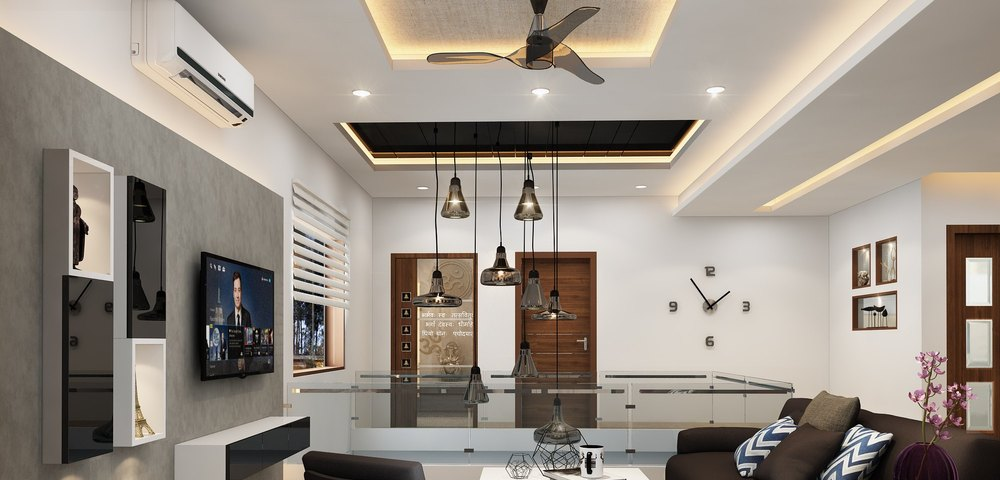
Embarking on an interior design project can be an exciting endeavor to revitalize your living or working space. However, understanding the timeframe involved is crucial for effective planning and managing expectations. The duration of an interior design project is not a fixed number; it’s a variable influenced by a multitude of factors, ranging from the project’s scope and complexity to the efficiency of the design team and the coordination with any necessary general construction work.
Key points
- Project scope is the primary factor determining interior design duration.
- Complex designs with custom elements take longer than simpler projects.
- Material procurement and lead times can add weeks or months to a schedule.
- Delays in associated general construction will directly affect the interior design timeline.
- Client decision-making speed and the number of revisions influence the overall project length.
- Contingency planning is essential to manage unforeseen issues.
The Design Process: From Concept to Completion
The interior design process typically begins with an initial consultation, where the designer meets with the client to discuss needs, style preferences, and budget. This is followed by conceptualization, where mood boards, space plans, and preliminary design ideas are developed. Once the overall design direction is approved, detailed drawings, specifications, and material selections are made. This phase can take anywhere from a few weeks to several months, depending on the client’s decision-making speed and the designer’s workload. The more intricate the design and the more revisions required, the longer this stage will extend. Client availability for meetings and feedback also plays a significant role in keeping the project on schedule.
Scope and Complexity: The Biggest Time Determinants
The sheer scale of the interior design project is perhaps the most significant factor affecting its duration. A single-room refresh will naturally take less time than a full-home renovation or a commercial space transformation. Complex projects involving custom millwork, intricate lighting plans, or the integration of smart home technology require more detailed planning and execution, thereby extending the timeline. The number of rooms involved, the extent of structural changes, and the uniqueness of the desired aesthetic all contribute to the overall project length. A project that requires extensive research into specialized materials or bespoke furniture will also see its timeline increase.
Procurement and Lead Times
Once selections are finalized, the procurement phase begins. This involves ordering furniture, fixtures, finishes, and decor. The lead time for these items can vary dramatically. Standard items may arrive within a few weeks, while custom-made pieces or items with long manufacturing or shipping schedules can take several months. Supply chain issues, availability of specific materials, and international shipping delays can all impact procurement timelines. Effective project management includes anticipating these potential delays and selecting materials with reasonable lead times where possible.
The Role of General Construction
When an interior design project involves significant structural changes, such as knocking down walls, reconfiguring layouts, or extensive renovations, general construction becomes an integral part of the process. General construction work has its own set of timelines, often dictated by factors like permitting, demolition, framing, electrical, plumbing, and finishing trades. The coordination between the interior designer and the general contractor is paramount. Delays in construction, such as unexpected structural issues or weather-related interruptions, will directly impact the interior design schedule. A well-managed construction phase, completed efficiently, allows the interior design elements to be installed on time.
Client Decisions and Revisions
Client involvement is critical throughout the interior design process. While designers guide the process, final decisions on layouts, materials, finishes, and furnishings rest with the client. Prompt and clear decision-making can keep the project moving forward smoothly. Conversely, delays in client approvals or requests for multiple revisions can significantly extend the project timeline. It’s important for clients to be prepared to dedicate time to review proposals, provide feedback, and make timely selections to ensure the project stays on track.
Contingency Planning for Unexpected Issues
Even with meticulous planning, unforeseen circumstances can arise during any interior design or general construction project. These might include discovering hidden structural problems behind walls, unexpected delays from suppliers, or changes in building codes. Experienced designers and contractors build contingency time into their project schedules to account for these possibilities. Having a buffer allows for a more controlled response to issues, minimizing disruption and preventing minor setbacks from snowballing into major delays.
Common questions
What is the average timeline for an interior design project?
The average timeline for an interior design project can range significantly, typically from a few weeks for a small refresh to six months or even over a year for larger, complex renovations involving general construction. The scope, client decision-making, and material lead times are major variables.
How much does the scope of work affect interior design duration?
The scope of work is a primary driver of how long interior design takes. A simple furniture arrangement or color consultation is much quicker than redesigning multiple rooms, incorporating custom elements, or managing associated general construction.
Can general construction delays impact my interior design timeline?
Yes, general construction delays will invariably impact an interior design timeline, especially when structural changes or renovations are part of the project. The interior design elements are often installed after the construction phase is substantially complete.
How do material lead times affect the project schedule?
Material lead times can significantly extend a project’s duration. If custom furniture, specialized finishes, or specific fixtures have long manufacturing or shipping periods, the overall project timeline will be lengthened accordingly.
What role do client decisions play in project length?
Client decisions are crucial. Prompt and decisive feedback and approvals from the client help keep the interior design process moving efficiently. Delays in decision-making or numerous revision requests will extend the project’s timeline.