
Signs It’s Time for a Professional Interior Design Refresh
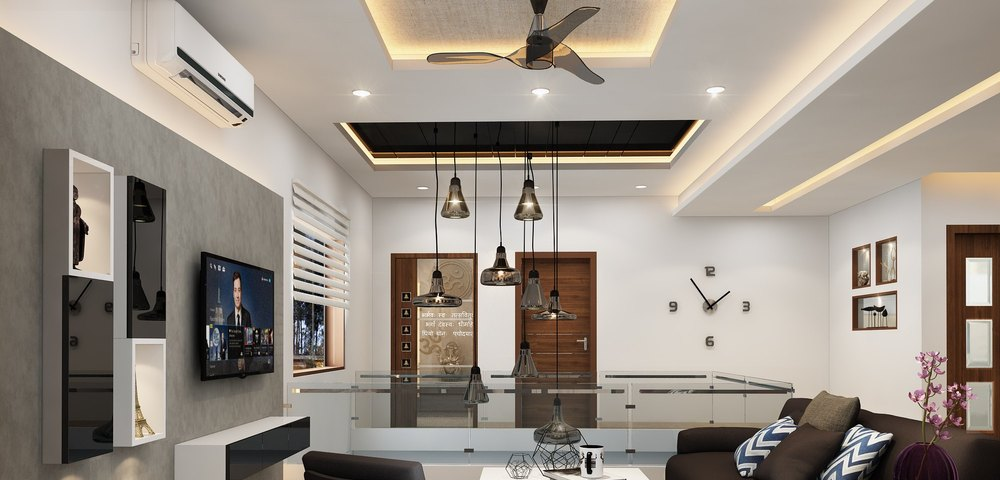
Your living or working space should feel functional, comfortable, and reflective of your needs. Over time, even the best-designed interiors can lose their appeal or fail to meet evolving requirements. Recognizing when it’s time for a change is the first step toward revitalizing your environment. Sometimes, an update is purely aesthetic, while other times, it signals a deeper need for structural or layout adjustments, often involving general construction.
Key points
- Declining functionality and outdated aesthetics are primary indicators for an interior design update.
- Changes in lifestyle or business needs often require a redesign of living or working spaces.
- Poor lighting and inefficient use of space can be addressed through professional interior design.
- General construction is necessary for structural modifications like moving walls or adding rooms.
- A combination of interior design and general construction can lead to significant property transformations.
When Functionality Declines
Spaces evolve, and so do our daily routines. A layout that once worked perfectly might now feel cramped or inefficient. Perhaps your family has grown, your work-from-home needs have changed, or your business operations require a different flow. If you find yourself constantly navigating around furniture, struggling with insufficient storage, or wishing for a more intuitive arrangement of rooms, it’s a clear sign that your interior design is no longer serving its purpose. Addressing these functional shortcomings might involve rearranging existing elements, but often requires more significant changes, potentially integrating aspects of general construction to reconfigure walls or create new spaces.
Outdated Aesthetics and Wear and Tear
Fashions change, and so does the appearance of materials. Colors that were once trendy can start to look dated, and finishes can show their age through scratches, fading, or general wear. Beyond just aesthetics, materials can degrade, leading to chipped paint, worn carpets, or outdated fixtures. If your space feels stuck in a previous decade, or if surfaces are showing significant signs of damage, a refresh is likely in order. This could range from a simple repaint and new furnishings to a more comprehensive overhaul that might include replacing flooring, updating lighting, or even structural elements if they are contributing to the dated feel. Professional interior design can guide these choices to ensure a cohesive and modern look.
Changing Lifestyle or Business Needs
Life events and business growth are prime motivators for interior updates. Welcoming a new baby, preparing for children to leave home, or adapting to a hybrid work model all necessitate changes in how a home is used. Similarly, a business might expand, pivot its services, or adopt new technologies that require a physical space to adapt. If your current interior design impedes these new requirements, it’s time to reconsider the space. This might involve creating dedicated home offices, designing adaptable living areas, or reconfiguring commercial layouts to improve workflow and accommodate more staff or equipment. These adjustments often blend interior design principles with general construction to achieve the desired outcome.
Poor Lighting and Uncomfortable Ambiance
The right lighting is crucial for both mood and functionality. Insufficient natural light, poorly placed artificial lights, or outdated fixtures can make a space feel gloomy, uninviting, or even hinder necessary tasks. If rooms feel perpetually dim, if task lighting is inadequate for reading or working, or if the overall ambiance is not conducive to relaxation or productivity, it’s a signal for an interior design intervention. Improving lighting often involves more than just changing bulbs; it might require adding new fixtures, repositioning windows, or integrating smart lighting systems, sometimes necessitating electrical work that falls under general construction.
Inefficient Use of Space
Every square foot counts, whether in a home or a commercial property. If your space feels either underutilized or overcrowded, it suggests an issue with the current interior design. This could manifest as awkward nooks that serve no purpose, wasted hallway space, or rooms that are too large or too small for their intended function. Optimizing space often involves creative solutions like built-in storage, multi-functional furniture, or even minor structural modifications. Sometimes, a professional can identify opportunities to create better flow or repurpose underused areas, potentially requiring general construction to implement effectively.
When to Consider General Construction
While interior design focuses on the aesthetic and functional arrangement of existing spaces, general construction addresses the physical structure. If your interior design needs involve moving walls, adding rooms, significantly altering plumbing or electrical systems, or addressing structural issues, then general construction becomes essential. These more intensive projects can dramatically transform a property, creating layouts that were previously impossible. Often, a comprehensive renovation project will require both interior design expertise to plan the look and feel, and general construction services to execute the structural changes.
Common questions
How do I know if I need interior design or general construction?
Interior design typically involves enhancing the look, feel, and functionality of existing spaces through the arrangement of furniture, color schemes, lighting, and finishes. General construction is needed when structural changes are required, such as moving walls, adding rooms, or altering the fundamental layout of a building.
Can interior design improve a space without construction?
Yes, interior design can significantly improve a space without any construction. This can be achieved through strategic furniture placement, updated color palettes, new decor, improved lighting, and enhanced organization, all of which can revitalize the look and feel of a room.
What are the benefits of hiring a professional for interior design?
Hiring a professional interior designer offers expertise in space planning, aesthetics, and material selection. They can help you avoid costly mistakes, create a cohesive vision, access a wider range of products, and ensure the final result meets your functional needs and desired style.
When is it worth investing in a major renovation involving general construction?
It is often worth investing in a major renovation when your current space no longer meets your needs due to lifestyle changes, significant wear and tear, or a desire to increase property value. Major renovations can also be beneficial if you plan to stay in the property long-term and want to create a space that perfectly suits your lifestyle.