
When to Consider General Construction for Your Property
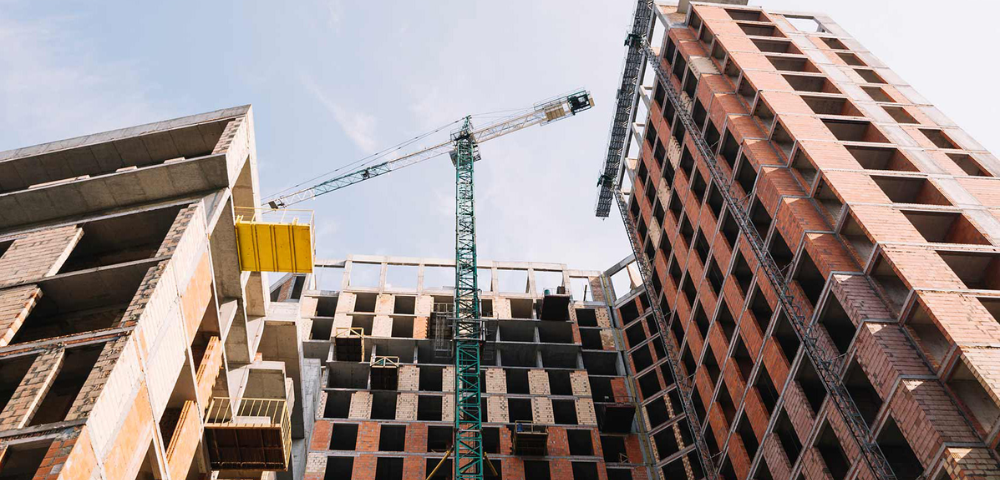
Your property is a significant investment, and its condition impacts its functionality, value, and your daily life. Over time, buildings can show signs of wear, or your needs may evolve, making a comprehensive approach to construction necessary. Recognizing when general construction is the right solution can prevent minor issues from becoming major problems and can unlock your property’s full potential.
Key points
- Persistent structural issues like cracks or water damage are critical signs for general construction.
- Outdated or inefficient property layouts often necessitate a comprehensive construction approach.
- Widespread wear and tear beyond minor repairs indicates a need for substantial upgrades.
- General construction is essential for major property transformations or changes in use.
- Integrating interior design with general construction enhances both functionality and aesthetics.
Addressing Structural Integrity and Safety Concerns
The most critical indicators for general construction often relate to the fundamental structure of your building. If you notice persistent issues like cracks in walls or foundations, sagging floors, or water damage that has compromised structural elements, it’s a clear signal that more than superficial repairs are needed. These problems can escalate, leading to significant safety hazards and costly damage if left unaddressed. A general construction approach allows for a thorough assessment and repair of these core issues, ensuring the long-term stability and safety of your property. This might involve reinforcing foundations, replacing damaged beams, or correcting issues with the building envelope.
Outdated Layouts and Functional Deficiencies
Sometimes, a building’s original design no longer suits modern living or business needs. If your current layout feels cramped, inefficient, or doesn’t accommodate your lifestyle or operational requirements, general construction can provide a comprehensive solution. This goes beyond simple cosmetic updates and can involve reconfiguring interior spaces, relocating walls, or even adding new extensions. For example, a home might require a more open-plan living area, or a commercial space might need a more efficient workflow. Addressing these functional deficiencies through professional general construction can significantly improve usability and livability.
Significant Wear and Tear Beyond Minor Repairs
While regular maintenance can address everyday wear, some properties reach a point where the cumulative effect of aging requires a more substantial intervention. This can manifest as widespread deterioration of finishes, outdated plumbing and electrical systems that are no longer up to code or are prone to failure, or a general sense that the building’s core components are nearing the end of their lifespan. When multiple systems or areas of the property show significant signs of age and require extensive work, general construction offers a way to systematically upgrade and modernize these elements. This comprehensive approach ensures that all aspects of the property are brought up to current standards.
Preparing for a Major Change in Property Use or Value Addition
Deciding to undertake a major renovation or a change in how you use your property often necessitates general construction. Whether you’re looking to add significant value through a substantial upgrade, convert a space for a new purpose, or prepare a property for sale, a professional construction team can manage the entire process. This involves planning, design, obtaining permits, and executing the build. General construction provides the framework for realizing ambitious projects that aim to transform the property’s aesthetic appeal, functionality, and market value. It’s about creating a vision and bringing it to life with a structured, professional process.
The Role of Interior Design in General Construction
While general construction focuses on the structural and functional aspects of a building, interior design plays a crucial role in the aesthetic and experiential outcomes. Often, when undertaking significant general construction projects, incorporating professional interior design services can elevate the final result. Interior designers can help select finishes, plan layouts for optimal flow and ambiance, and ensure that the renovated spaces meet both practical needs and desired style. The synergy between a skilled construction team and a thoughtful interior designer ensures that the project is not only structurally sound and functional but also visually appealing and a pleasure to inhabit or use.
Common questions
What are the main signs that general construction is needed?
The primary indicators that general construction is required include significant structural issues like cracks in foundations or walls, persistent water damage affecting integrity, and widespread deterioration of the building’s core components due to age. Additionally, a property with outdated layouts that hinder functionality or a desire for a major overhaul to add value or change use also points towards needing comprehensive construction services.
Can general construction improve a property’s value?
Yes, general construction can significantly improve a property’s value by addressing structural weaknesses, modernizing outdated systems and layouts, and enhancing overall aesthetics and functionality. Undertaking well-planned construction projects can make a property more attractive to potential buyers or tenants, and increase its marketability and worth.
How does interior design relate to general construction?
Interior design complements general construction by focusing on the aesthetic and functional aspects of interior spaces. While construction provides the physical structure and framework, interior design guides the selection of finishes, color palettes, furniture, and spatial arrangements to create a cohesive, appealing, and practical environment within the newly constructed or renovated space.
Is general construction always a large-scale project?
General construction can encompass a wide range of projects, from substantial structural repairs and complete renovations to additions and new builds. While it often involves significant work, the term refers to the comprehensive management and execution of building projects, which can vary in scale depending on the specific needs of the property and its owner.