
Common Interior Design Mistakes and How to Avoid Them
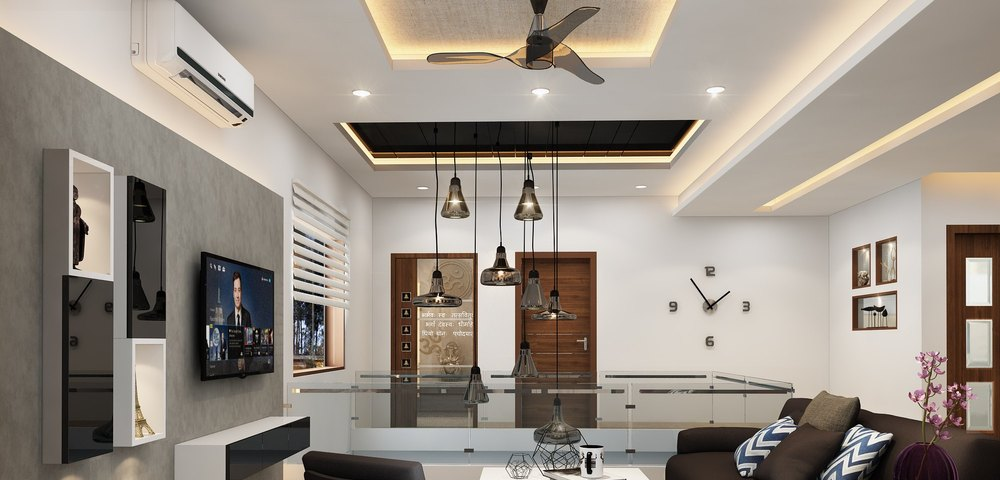
Embarking on an interior design project, whether a small refresh or a complete overhaul, holds the promise of transforming a space. However, the path to achieving your desired aesthetic and functional goals is often paved with potential pitfalls. Many homeowners and business owners encounter common mistakes that can detract from the overall success of their design. Recognizing these errors before they happen is key to a smoother process and a more satisfying outcome. This guide focuses on the most frequent interior design blunders and provides actionable advice on how to steer clear of them.
Key points
- Thorough planning is essential to avoid costly mistakes and ensure project success.
- Balance aesthetic appeal with practical functionality for livable spaces.
- Pay close attention to the scale and proportion of furniture and decor.
- Layer lighting effectively to create ambiance and enhance usability.
- Be mindful of clutter and ensure sufficient, organized storage solutions.
- Maintain a consistent style or theme for a cohesive and harmonious design.
The Perils of Poor Planning
One of the most significant errors in interior design is the lack of a comprehensive plan. This often manifests as starting a project without a clear vision, a defined budget, or a realistic timeline. Without a roadmap, decisions can become haphazard, leading to costly changes down the line. It’s essential to establish your goals, understand the scope of the project, and allocate funds before any work begins. Consider the intended use of the space, the desired atmosphere, and any specific functional requirements. A detailed plan acts as a crucial guide, ensuring that every choice aligns with the overall objective and preventing impulsive decisions that can derail the project.
Ignoring Functionality for Aesthetics
While visual appeal is a cornerstone of interior design, prioritizing it exclusively over practicality can lead to spaces that are beautiful but unusable. A common mistake is selecting furniture or finishes purely for their looks, without considering their durability, maintenance, or suitability for the intended use. For instance, a stunning but delicate fabric might not be ideal for a high-traffic family room. Similarly, an overly complex layout might hinder movement. The most successful interior design integrates form and function, ensuring that a space is not only pleasing to the eye but also comfortable, efficient, and easy to live or work in. Always ask how a design choice will impact daily life.
The Pitfalls of Scale and Proportion
Getting the scale and proportion of furniture and decor wrong is a frequent issue that can make a room feel off-balance. Placing oversized furniture in a small room can make it feel cramped and cluttered, while tiny pieces in a large space can look lost and insignificant. Understanding how different elements relate to each other and to the room’s dimensions is vital. This applies not only to furniture but also to artwork, rugs, and lighting fixtures. Measuring your space accurately and considering the visual weight of each item will help ensure a harmonious and well-proportioned design. A general construction expert can offer insights into how structural elements affect spatial perception.
Overlooking Lighting’s Importance
Lighting is often an afterthought in interior design, but it plays a critical role in setting the mood and functionality of a space. Relying solely on a single overhead light source can result in a flat, uninviting atmosphere. Effective lighting design involves layering different types of light: ambient (general illumination), task (for specific activities like reading or cooking), and accent (to highlight features). Failing to plan for adequate and varied lighting can leave a room feeling dim, unappealing, or impractical for certain activities. Consider the natural light available and how artificial lighting can complement it throughout the day and evening.
The Clutter Conundrum
A space can quickly become overwhelmed with too much furniture, excessive decor, or insufficient storage solutions. This leads to a cluttered appearance that detracts from the intended design and creates a sense of chaos. It’s important to be selective about what items are displayed and to ensure that adequate, well-integrated storage is incorporated. This doesn’t mean living in a minimalist, bare space, but rather curating your belongings and finding stylish ways to keep them organized. Before adding another decorative item, consider if it truly enhances the space or if it contributes to clutter.
Inconsistent Style or Theme
Attempting to incorporate too many different styles or trends without a unifying element can result in a disjointed and chaotic interior. While it’s tempting to mix and match, a cohesive design relies on a consistent underlying theme or aesthetic. This doesn’t mean every piece has to be identical, but rather that there should be a clear connection between the various elements, whether through color, material, or overall mood. Define your desired style early on and use it as a filter for all your design choices. If you’re unsure, seeking professional interior design advice can help establish a clear direction.
Failing to Test or Visualize
Making significant design decisions without testing materials or visualizing the final result is a common mistake. This can involve choosing paint colors without sampling them on the wall in different lights, or selecting flooring without considering how it will look with existing or planned furniture. Many design software tools and even simple mock-ups can help you visualize the outcome before committing. For critical elements like flooring or cabinetry, obtaining samples to see in your actual space is invaluable. This step helps prevent costly errors and ensures you are happy with the final look.
Common questions
What is the biggest mistake people make in interior design?
The biggest mistake is often a lack of thorough planning, which can lead to budget overruns, poor functionality, and a final result that doesn’t meet expectations.
How important is functionality in interior design?
Functionality is critically important; a space must not only look good but also serve its intended purpose efficiently and comfortably for the people using it.
Should I prioritize aesthetics or functionality?
Ideally, you should strive for a balance between aesthetics and functionality, ensuring that your design choices are both visually appealing and practical for daily use.
What happens if I choose the wrong scale of furniture?
If you choose furniture with the wrong scale, it can make your room feel either too cramped and cluttered or too empty and unbalanced, disrupting the overall harmony of the space.
Why is lighting so crucial in interior design?
Lighting is crucial because it significantly impacts the mood, ambiance, and usability of a space, with different types of lighting serving distinct functional and aesthetic purposes.
How can I avoid a cluttered interior design?
To avoid clutter, be selective with your decor, ensure adequate and integrated storage solutions are incorporated, and regularly assess whether items add value or simply take up space.