
Preparing for Your Interior Design Project: A Guide to Collaboration and Vision
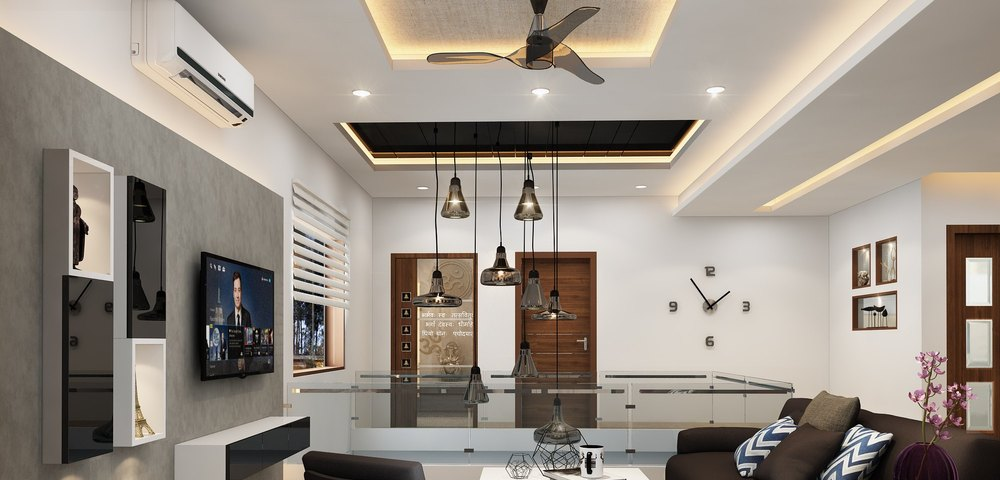
Embarking on an interior design project, whether for a home or a business space, is an exciting prospect. It offers the chance to refresh your surroundings, improve functionality, and reflect your personal style or brand. Success, however, hinges on thorough preparation. This involves more than just picking out paint colors; it requires a strategic approach to defining your goals and working effectively with design and construction professionals.
Key points
- Clearly define your project goals and aesthetic vision before starting.
- Establish a realistic budget and prioritize needs versus wants.
- Gather visual inspiration and research materials to aid communication.
- Understand when general construction expertise is needed for structural changes.
- Maintain open and consistent communication with your design and construction team.
Defining Your Vision and Goals
Before engaging with any interior designer or general construction team, a clear understanding of your desired outcome is paramount. What do you hope to achieve with this redesign? Are you looking to enhance the aesthetic appeal, improve the flow and usability of a space, or increase its market value? Consider the primary functions of the area. For a living room, it might be about creating a comfortable space for family gatherings and relaxation. For an office, functionality, productivity, and client impressions are key. Documenting these aspirations provides a solid foundation for discussions with professionals and helps ensure the final result aligns with your expectations. Think about the atmosphere you want to cultivate: is it cozy and intimate, or open and professional? What is your preferred style – modern, traditional, minimalist, or eclectic? Even a general sense of direction is beneficial.
Budgeting and Prioritization
Establishing a realistic budget is a critical early step. Interior design projects can encompass a wide range of expenses, from furnishings and finishes to labor and potential structural changes that might fall under general construction. It’s wise to allocate funds not just for the visible elements but also for unforeseen issues that can arise, especially in older properties. Categorize your needs versus your wants. What are the absolute must-haves, and what are the desirable additions if the budget allows? Discussing your financial parameters openly with your interior designer and any general construction partners early on prevents surprises and allows for informed decisions throughout the process. Understanding the cost drivers, such as material choices, the complexity of the design, and the scope of any construction work, will help in making trade-offs.
Gathering Inspiration and Information
While professionals bring expertise, your input is invaluable. Collect images, articles, or examples of spaces that resonate with you. This could be from magazines, online platforms like Pinterest, or even other establishments you’ve visited. These visual aids serve as a powerful communication tool, helping designers understand your taste and preferences more quickly than words alone. Don’t just focus on aesthetics; consider elements like lighting, furniture layout, and material textures. Simultaneously, research potential materials and finishes. Understanding the properties and typical applications of different woods, fabrics, tiles, and paints can lead to more informed discussions and choices. This preparation empowers you to be an active participant in the design process.
Understanding the Role of General Construction
Often, an interior design project involves more than cosmetic changes. It may require structural modifications, such as moving walls, reconfiguring layouts, or updating essential systems like plumbing and electrical. This is where the expertise of general construction becomes essential. If your plans involve significant alterations, a general construction professional will be needed to execute the physical work. Preparing for this means understanding that structural changes can impact timelines and budgets. Collaborating closely with both your interior designer and your general construction team ensures that the design vision is technically feasible and that the construction work supports the aesthetic and functional goals. Early consultation with a general construction expert can identify potential challenges and inform the design plan.
Collaboration and Communication
A successful interior design project thrives on open and consistent communication. Prepare to share your thoughts, concerns, and feedback throughout the process. Understand that your designer is there to guide you, offering professional insights while translating your vision into reality. Be receptive to their suggestions, as they often have experience with solutions you may not have considered. Establish preferred methods and frequency of communication with your team. Regular check-ins, site visits, and clear documentation of decisions are vital for keeping the project on track and minimizing misunderstandings. A partnership built on trust and mutual understanding is the bedrock of a smooth and rewarding renovation experience.
Common questions
What is the first step in preparing for interior design?
The very first step is to define your vision and set clear goals for the project. Understanding what you want to achieve aesthetically, functionally, and financially will guide all subsequent decisions.
How important is budgeting for interior design?
Budgeting is extremely important. Establishing a realistic financial framework early on ensures that decisions are practical and prevents costly overruns. It helps prioritize elements and guides material and scope choices.
Should I involve general construction in the early stages of interior design?
Yes, if your interior design plans involve structural changes or significant renovations, involving a general construction professional early is highly recommended. They can advise on feasibility, potential costs, and timelines for any construction work.
What kind of information should I gather before meeting an interior designer?
Gather visual inspiration such as photos of rooms you like, examples of styles, color palettes, and specific elements. Also, compile a list of your functional needs and priorities for the space.