
General Construction Explained: From Foundation to Finish
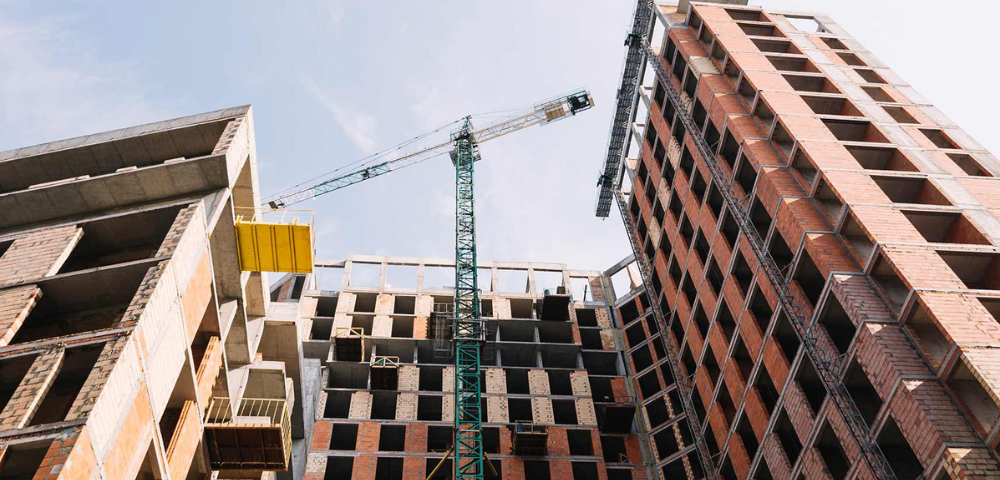
General construction forms the backbone of any building project, whether it’s a new build or a substantial renovation. It encompasses the entire process of bringing a structure to life, from the initial planning stages to the final touches. A general construction company oversees and manages all aspects of the work, coordinating various trades and ensuring the project stays on track, within budget, and meets quality standards.
Key points
- General construction manages all aspects of a building project, from initial planning to final completion.
- It involves coordinating numerous specialized trades like plumbing, electrical, and carpentry.
- Effective project planning, budgeting, and scheduling are fundamental to successful general construction.
- Quality control and problem-solving are continuous processes throughout the build.
- A general contractor acts as the central point of contact, ensuring efficiency and adherence to standards.
The Scope of General Construction
General construction is a comprehensive service that involves the management and execution of building projects. It is much more than just putting up walls; it’s a multifaceted discipline. This includes everything from site preparation, such as excavation and grading, to the installation of foundations, framing, roofing, and exterior finishes. Interior work, such as plumbing, electrical systems, HVAC, insulation, drywall, and finishes, also falls under the purview of general construction. Essentially, a general contractor acts as the primary point of contact and manager for all these diverse elements, ensuring they integrate seamlessly into a cohesive final product.
Project Planning and Management
Before any physical work begins, extensive planning is essential. This phase involves detailed blueprints, obtaining necessary permits, and developing a realistic timeline and budget. General construction professionals work closely with clients, architects, and engineers to refine designs and anticipate potential challenges. Project management during the build is critical. It involves scheduling subcontractors, ordering materials, overseeing on-site activities, ensuring safety protocols are followed, and conducting regular inspections to maintain quality control. Effective communication is key throughout this process, keeping clients informed of progress and any necessary adjustments.
Coordinating Specialized Trades
A hallmark of general construction is the coordination of numerous specialized trades. This can include electricians, plumbers, HVAC technicians, carpenters, masons, roofers, painters, and more. The general contractor is responsible for hiring reliable subcontractors, defining their scope of work, and ensuring their efforts align with the overall project schedule. They must understand the sequence of operations, as certain tasks cannot begin until others are completed. For instance, rough plumbing and electrical work must be done before drywall is installed. This intricate dance of specialized labor requires significant expertise and logistical skill.
Quality Control and Problem Solving
Maintaining high standards of quality is paramount in general construction. This involves not only ensuring that materials are up to specification but also that the workmanship meets industry standards and client expectations. Regular site visits and inspections are conducted to identify and rectify any issues promptly. Unexpected challenges often arise during construction, from unforeseen site conditions to material delays. A skilled general contractor is adept at problem-solving, finding practical and efficient solutions that minimize disruption and impact on the project’s timeline and budget. Their experience allows them to foresee potential problems and implement preventative measures.
From Foundation to Final Inspection
The construction process follows a logical progression. It begins with site work and foundation laying, followed by framing the structure. Once the shell is complete, exterior elements like roofing and siding are installed. Inside, the focus shifts to mechanical systems (plumbing, electrical, HVAC), insulation, and then interior finishes such as drywall, painting, flooring, and fixture installation. The final stages involve detailed inspections, punch list completion, and handover to the client. This end-to-end management ensures that every phase is executed correctly, culminating in a finished structure that is safe, functional, and aesthetically pleasing.
Common questions
What is the role of a general contractor?
A general contractor is the primary manager and overseer of a construction project. They are responsible for planning, budgeting, scheduling, hiring subcontractors, and ensuring the quality and completion of the work from start to finish.
What types of projects does general construction cover?
General construction covers a wide range of projects, including new commercial and residential buildings, additions, major renovations, and structural upgrades. It encompasses all phases of the building process.
Why is project planning important in general construction?
Thorough project planning is crucial because it establishes the roadmap for the entire build. It involves defining scope, setting budgets, creating schedules, obtaining permits, and anticipating potential issues, which helps ensure the project runs smoothly and efficiently.
How does general construction ensure quality?
Quality is ensured through careful selection of materials and subcontractors, rigorous oversight of workmanship, regular inspections at various project stages, and adherence to building codes and industry standards.