
Interior Design: Maximizing Value and Livability in Your Property
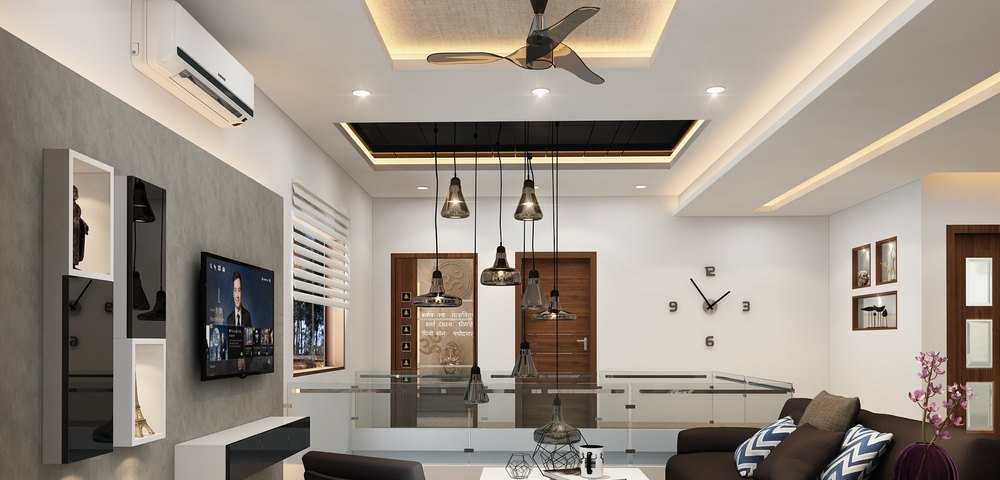
Investing in interior design offers benefits that extend far beyond making a space look good. A well-designed interior can enhance functionality, improve the flow of a home or business, and even increase a property’s market value. This approach integrates aesthetics with practical considerations, transforming spaces to better suit the needs of their occupants and often involving general construction for significant changes.
Key points
- Professional interior design enhances space functionality and livability.
- Thoughtful design can significantly increase a property’s market value.
- Interior design projects often integrate with general construction for structural changes.
- Bespoke interiors are created by understanding client needs and tastes.
- The process leads to more efficient and higher-quality final spaces.
The Functional Advantages of Professional Design
Beyond surface-level appeal, professional interior design focuses on how a space is used. This means optimizing layouts for better traffic flow, ensuring adequate lighting and ventilation, and selecting materials that are both durable and appropriate for the intended purpose. For a home, this could translate into a more comfortable and efficient living environment. For a business, it might mean creating a more productive workspace or a more inviting customer experience. A designer considers ergonomics, accessibility, and the psychological impact of the environment, leading to a space that truly works for its users.
Enhancing Property Value Through Thoughtful Design
A thoughtfully designed interior can be a significant asset when it comes time to sell a property. Buyers are often drawn to spaces that feel cohesive, well-maintained, and move-in ready. Interior design professionals can help identify and execute improvements that offer a strong return on investment. This might involve updating kitchens and bathrooms, improving storage solutions, or creating a more open-plan living area. These enhancements, often supported by general construction services for structural modifications or extensive renovations, make a property more appealing and can command a higher price.
Integration with General Construction
Significant interior design transformations frequently go hand-in-hand with general construction. Whether it’s reconfiguring walls to improve a floor plan, installing custom cabinetry, or upgrading electrical and plumbing systems to accommodate new layouts, construction is often essential. A design plan provides a clear roadmap for construction crews, ensuring that the build aligns with the aesthetic and functional goals. This integrated approach, where design and construction professionals collaborate, leads to more efficient project execution and a higher quality final product. It ensures that the vision is realized effectively and safely.
Creating Bespoke Environments
Professional interior design allows for the creation of truly unique and personalized spaces. Designers work with clients to understand their specific tastes, lifestyles, and functional requirements. This collaborative process results in interiors that reflect the client’s personality and meet their practical needs. From selecting specific paint colors and furniture pieces to designing custom built-ins, every detail is considered. This level of customization is difficult to achieve without expert guidance and can significantly elevate the quality of daily life or business operations within the space.
Common questions
Is interior design only about aesthetics?
No, interior design is about much more than just aesthetics; it fundamentally aims to improve the functionality and livability of a space while also considering its visual appeal and, often, its market value.
How does interior design add value to a property?
Interior design adds value by creating more functional, appealing, and updated spaces that are attractive to potential buyers or renters, potentially increasing the property’s resale value or rental income.
When is general construction necessary for an interior design project?
General construction is necessary when an interior design project involves structural changes, such as reconfiguring walls, expanding rooms, or undertaking major renovations that require skilled labor and building expertise.
What are the long-term benefits of professional interior design?
Long-term benefits include enhanced comfort, improved efficiency in daily activities, a more pleasant environment, and a potentially higher return on investment if the property is sold.