
Understanding Interior Design Costs: Factors Influencing Your Project Budget
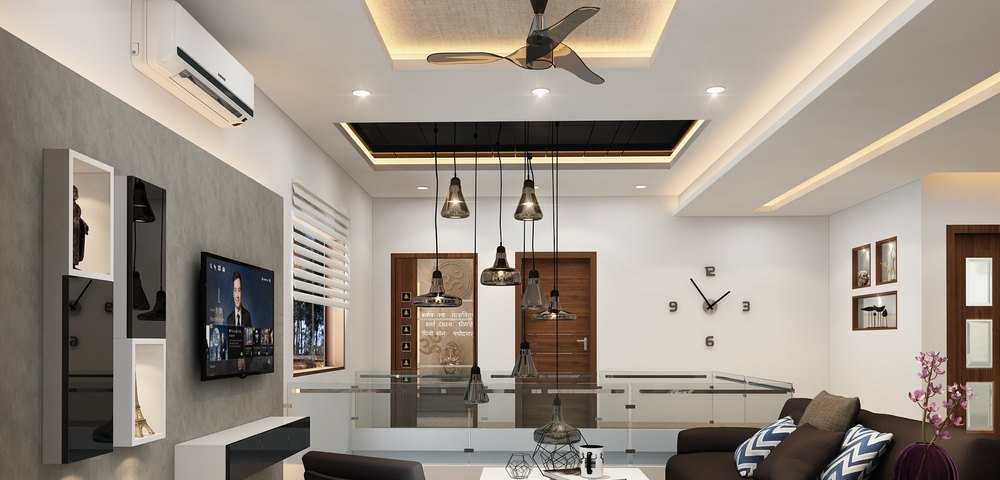
Embarking on an interior design project can significantly enhance your living or working space, but understanding the associated costs is crucial for planning. The final price tag isn’t arbitrary; it’s a result of various elements that contribute to the overall scope and execution of the design. This guide breaks down the primary drivers of interior design expenses, helping you anticipate and budget effectively for your transformation.
Key points
- Project scope is a primary cost driver, with larger renovations being more expensive.
- Material selection greatly influences budget, from basic finishes to luxury options.
- Professional fees for interior designers and general contractors are part of the overall cost.
- Labor and installation expenses depend on skill requirements and local rates.
- Custom elements increase costs compared to standard, off-the-shelf solutions.
Scope of the Project: More Than Just Aesthetics
The sheer size and complexity of your interior design project are fundamental to its cost. A single room refresh will naturally be less expensive than a full-home makeover or a commercial property redesign. Consider whether you’re looking for a cosmetic update, such as new paint and furnishings, or a more involved renovation that includes structural changes, like reconfiguring walls, updating electrical systems, or plumbing work. The more extensive the intervention, the greater the demand on resources, labor, and professional time, all of which increase the overall investment. General construction elements, if required, add another layer of cost due to the need for permits, specialized labor, and materials.
Material Selections: Quality, Durability, and Style
The choice of materials plays a pivotal role in determining interior design costs. High-end finishes, such as natural stone countertops, custom cabinetry, premium flooring, and designer textiles, come with a higher price point than more standard or budget-friendly alternatives. The durability and longevity of materials also factor in; investing in quality can mean fewer replacements over time, but the upfront cost is higher. Beyond the primary materials, consider the details: lighting fixtures, hardware, decorative accents, and window treatments can all add up. Each selection, from the paint color to the type of wood used for built-ins, contributes to the final budget.
Professional Fees: The Value of Expertise
Engaging interior design professionals and, if necessary, general construction services, involves fees for their expertise, time, and project management skills. These fees can be structured in several ways: a fixed fee for the entire project, an hourly rate, or a percentage of the total project cost. The experience and reputation of the designer or contractor also influence their rates. While it might seem like an additional expense, professional guidance can often save money in the long run by preventing costly mistakes, optimizing material choices, and ensuring efficient project execution. Their understanding of space planning, material sourcing, and contractor coordination is invaluable.
Labor and Installation: The Hands-On Component
Beyond the cost of materials and design fees, the labor involved in executing the design is a significant expense. This includes the wages for skilled tradespeople such as painters, carpenters, electricians, plumbers, and installers. The complexity of the installation process, the time required, and the prevailing labor rates in your area all impact this aspect of the budget. For projects involving significant demolition or rebuilding, general construction labor will be a substantial part of the cost. Detailed work, custom installations, and intricate finishes naturally require more skilled labor and, consequently, incur higher costs.
Customization vs. Off-the-Shelf Solutions
The degree to which your interior design incorporates custom elements will affect the overall expense. Custom-designed furniture, bespoke cabinetry, and tailor-made décor offer unique solutions and precise fits for your space, but they are typically more expensive than readily available, off-the-shelf items. While standard furniture and fixtures can be more budget-friendly, custom pieces provide unparalleled aesthetic and functional benefits. Balancing the desire for unique, personalized spaces with budget constraints often involves strategically incorporating custom elements where they will have the most impact.
Common questions
What is the biggest factor influencing interior design costs?
The scope and complexity of the project are the biggest factors influencing interior design costs. A larger project requiring extensive structural changes or a complete overhaul of multiple rooms will naturally cost more than a simple refresh of a single space.
How do material choices affect interior design budgets?
Material choices significantly impact budgets due to variations in quality, durability, and aesthetic appeal. High-end finishes like marble, exotic woods, and premium fabrics are more expensive upfront than standard options, though they may offer greater longevity and visual impact.
Are professional interior design fees negotiable?
Professional interior design fees can sometimes be negotiable, depending on the designer’s fee structure (hourly, fixed, or percentage-based) and the project’s specifics. It is always advisable to discuss budget expectations openly with potential designers during the initial consultation.
Does general construction add significantly to interior design costs?
Yes, general construction work, such as structural modifications, electrical upgrades, or plumbing changes, adds significantly to interior design costs. This is due to the specialized labor, materials, permits, and extended project timelines required.
How can I control costs in an interior design project?
Controlling costs involves careful planning, prioritizing needs over wants, setting a clear budget, and making informed material selections. Considering phased renovations, opting for some off-the-shelf solutions, and obtaining multiple quotes for labor can also help manage expenses.